


Identification Of Glass Mug
Jan 27, 2025
Leave a message
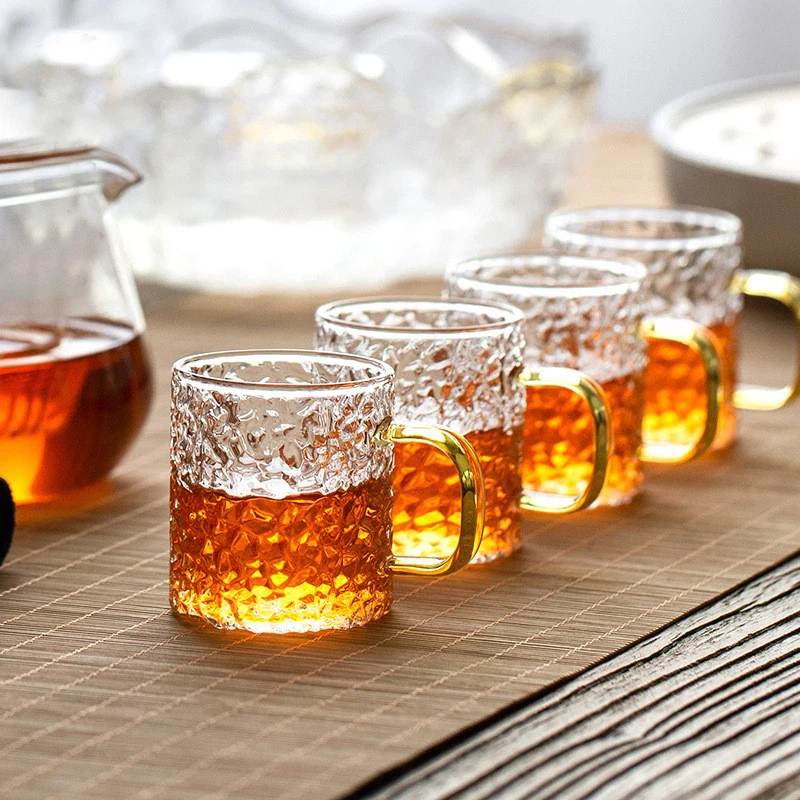
The material should be pure: If the glass material is not pure, there will be lines, bubbles, or sand on the glass water dispenser.
'Pattern' refers to the stripes on the surface of the vitreous body. Rough lines can be felt by hand, while thin lines can only be seen by lifting them under the light.
Bubbles "refer to small voids formed inside glass by encapsulating air. According to the reasons for formation, it can be divided into two types: material bubbles and operational bubbles. Bubbles in the depths of the glass look like small circles when viewed from the outside. During operation, bubbles are relatively exposed, some protruding like fish eyes, and a gentle poke can pierce the hole; Some small scars on fruits can also easily peel off a layer.
Sand "refers to white granular silica sand embedded in glass bodies that does not melt, as well as other granular impurities. It is difficult to detect when sand is embedded in a thick base or covered with bristles. Due to the different compositions of sand and glass, their coefficients of expansion are also different, so even a slight collision can cause them to detach from the glass body, resulting in glass cracking; Sometimes, although there is no collision, due to temperature changes, sand may detach from the glass, causing it to automatically burst.
The thickness should be consistent: the glass material distribution of each part of the water dispenser should be symmetrical. When choosing, observe the light. If the sense of light is the same everywhere, it means that the thickness is the same. If the difference in brightness is too large, the thickness will be inconsistent. If the shoulder of the cup is too thin, it is generally not easy to detect, but if you observe the light, you will find that the thin part is too bright. The thickness requirements for water dispensers for different purposes are different. Tea sets should be thinner, while wine and cold drink utensils can be thicker.
Generally, the bottom of a water dispenser should be thicker, but if it is too thick, heat transfer will be slow and the heat will easily crack; The wall should be slightly thinner than the bottom, but if it is too thin, it will appear too weak and unstable. When selecting, from the outside, the bottom should be horizontal and not tilted or shaped like a pot; Lightly tapping the wall with your fingers should make a pleasant sound.
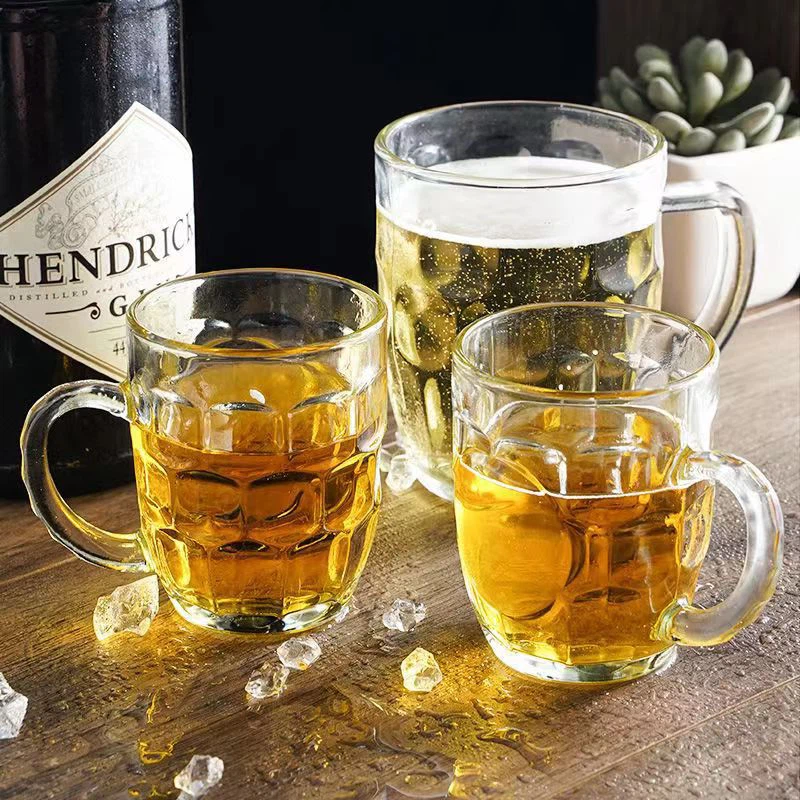

Appearance should be aesthetically pleasing: There are generally four types of non-standard shapes:
1. The surface is not smooth, and there are mechanisms such as cold mold stamping, blow molding stamping, and air eye stamping.
2. Observing the light of the drinking vessel, one can see traces and cracks that are the same as the knife marks but refracted differently from the light of the entire container.
3. Geometric shapes are not straight, circles are not round, flat are not straight, straight are not straight.
4. The lid cup on the pot is too loose or too tight at the neck of the pot, or too suspended and falls on the shoulder of the pot. The shapes of the same set of drinking utensils, pot, cup, plate, etc. are not coordinated, and the artistic style is inconsistent. Glass products that are not standardized not only affect their appearance, but are also prone to damage.
Send Inquiry